Blog Tag: Tech Debt

<p>60% of our clients come to us with rescue projects: apps burdened by technical debt that we rebuild to deliver real value and revenue again.</p>

What is the bus factor?

Bus factor

Bus factor is one of the most important terms when it comes to technical debt, legacy system, and the overall health of your project. The lower it is, the worse for you. That’s why in this article, we explain what it is, why it goes low, and how to make it higher. Learn more about What is the bus factor?

How to untangle spaghetti code?

Spaghetti Code article cover

Untangle spaghetti code using a 6-step pragmatic methodology: stabilize the flow, add protective tests, delete dead code, create seams, introduce boundaries, and apply the strangler pattern – making one hotspot safer and simpler at a time, without a risky full rewrite. TL;DR  Pick a hotspot that’s frequently changed and high-risk. Make the flow runnable + How to untangle spaghetti code?

How to safely change your software house during an ongoing project?

Is your project stuck. How to safely change software house article cover

Many clients, despite growing problems, stick in a toxic relationship with their current software house. Why? They fear losing project continuity, the enormous costs of onboarding a new firm, or that the new vendor will “get lost” in the existing mess. This is a classic sunk cost fallacy. The brutal truth is: staying in a relationship How to safely change your software house during an ongoing project?

How to tell your company is running on unmaintainable AI-generated code (a checklist for CEOs/COOs)

Vibe Coding

If your company has a system that was “quickly built with AI,” and today every change results in a regression, deployment is done by only one person, and incidents happen after hours – it’s not “bad luck.” It’s vibe coding. In this article, you’ll find a checklist for CEOs/COOs: how to recognize if code was built fast How to tell your company is running on unmaintainable AI-generated code (a checklist for CEOs/COOs)

6 rules of talking to the management when your IT project is in danger

How to communicate bad news

Crisis communication with management requires a specific language. Your CEO and stakeholders don’t want to listen about tech debt or refactoring – they don’t care about technical details. They talk money: they want to know how much the problems are going to cost, how soon you can manage the challenges, and what the risks are. 6 rules of talking to the management when your IT project is in danger

4 Reasons IT Projects Go Over Budget (and How to Fix Them)

Reasons IT Projects Go Over Budget - cover

IT projects don’t go over budget overnight. The overrun builds quietly through overly optimistic initial estimates, poor information flow, and compounding shortcuts. And the processes that should catch it are often part of the problem. Such patterns play out even in well-run organizations with disciplined teams. This article walks through the four most common root 4 Reasons IT Projects Go Over Budget (and How to Fix Them)

Legacy System Modernization: The Definitive Pragmatic Playbook for 2026

Legacy System Modernization

If you’re reading this, you probably have a system that’s critical to your business, but every time someone mentions a “simple feature request,” your lead developer looks like they’re about to faint. In the software world, we call this legacy. This guide is a deep-dive technical and strategic whitepaper for leaders who want to stop Legacy System Modernization: The Definitive Pragmatic Playbook for 2026

Hiring Consultants to Save Your Software Project? 5 Traps

5 pitfalls in software consulting - cover

Your software project is in trouble. It’s over budget, behind schedule, and the board is asking hard questions. Someone suggests bringing in consultants: Accenture, Deloitte, McKinsey Digital, or a boutique firm. It feels like the safe choice. A prestigious brand to reassure stakeholders. Expert methodology. Accountability you can point to if things go wrong. Before Hiring Consultants to Save Your Software Project? 5 Traps

Everything Is Under Control? How to Recognize the Watermelon Effect Before Your IT Project Sinks

Everything is Under Control? How to Recognize the Watermelon Effect Before Your IT Project Sinks article cover

This article explores the ‘Watermelon Reporting’ phenomenon in IT projects – where status reports are ‘Green’ on the outside but ‘Red’ and failing on the inside. Learn how to spot warning signs, understand why teams hide the truth, and get practical steps to build a culture of real transparency. TL;DR Watermelon Reporting = status looks Everything Is Under Control? How to Recognize the Watermelon Effect Before Your IT Project Sinks

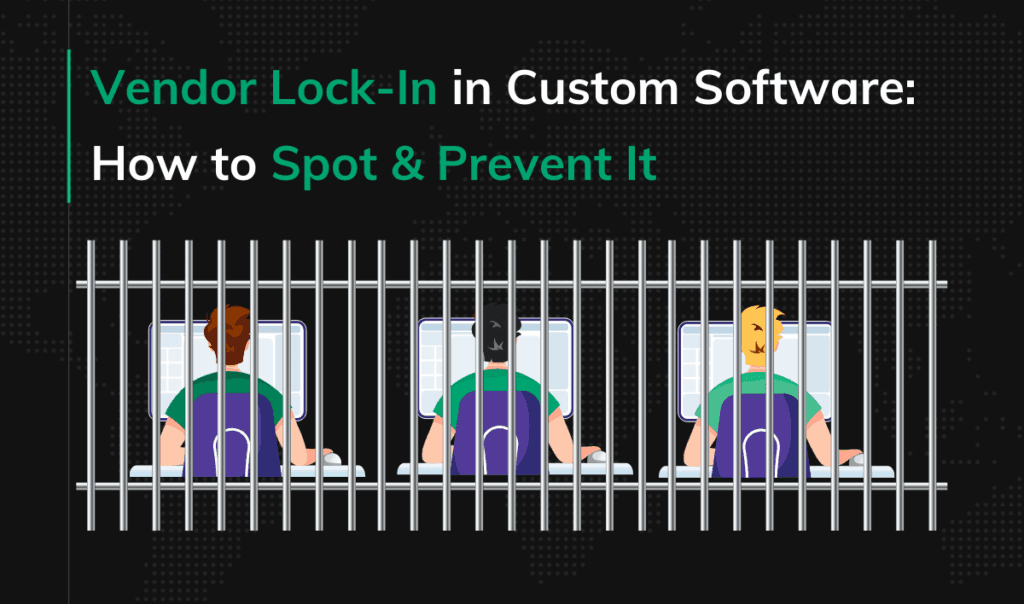
Vendor Lock-In in Custom Software: How to Spot & Prevent It

Vendor Lock-In in Custom Software

The global IT outsourcing market reached USD 618.13 billion in 2025 and is projected to hit USD 752.08 billion by 2031. Behind that growth lies a hidden risk: many companies paying for custom software don’t actually control what they’ve paid for. They assume ownership because they funded the project. In reality, they lack access, documentation, or the Vendor Lock-In in Custom Software: How to Spot & Prevent It